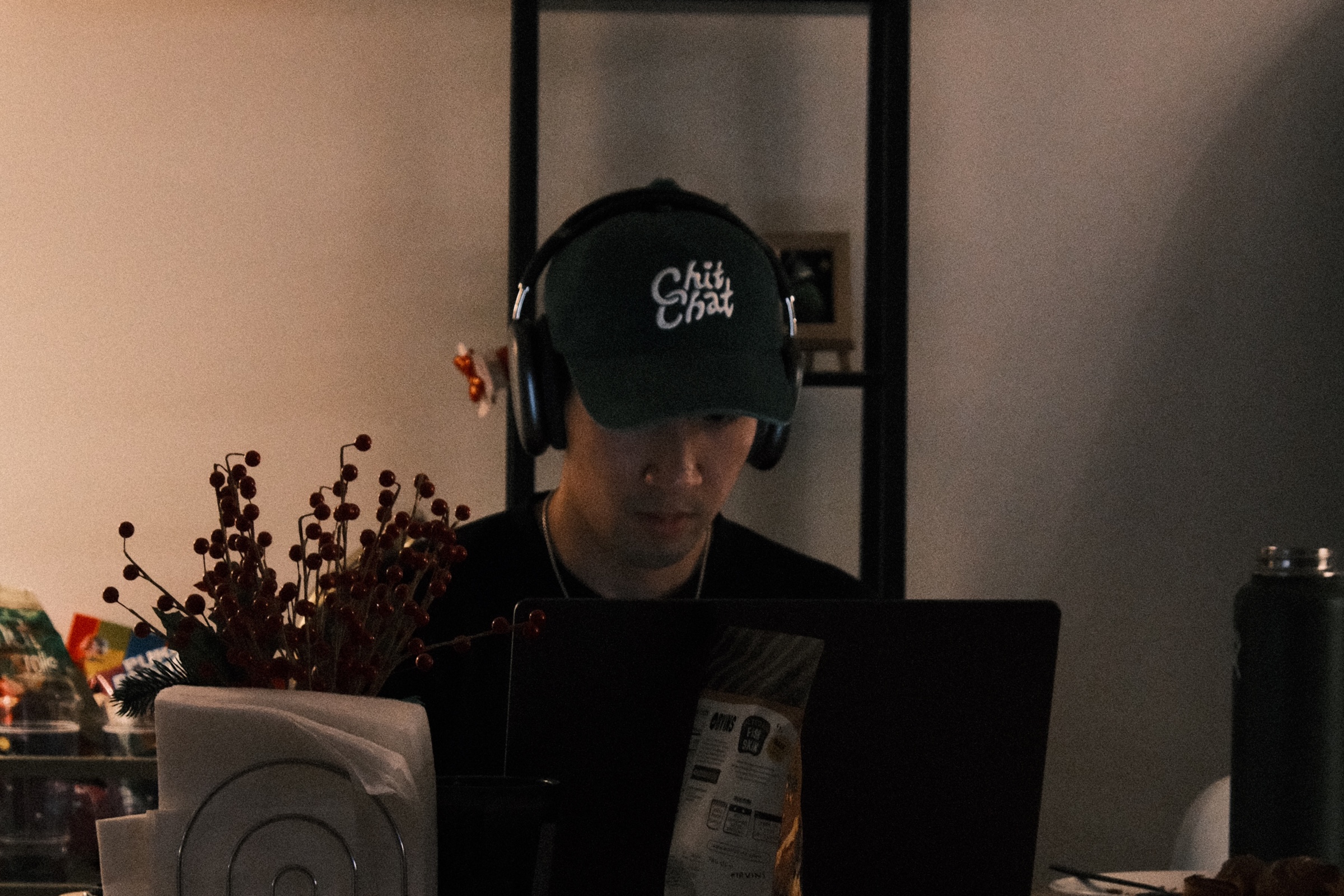
Two weeks ago, I walked away from my cushy job and stepped into something I'd been building on the side for months.
That first morning as a full-time builder wasn't dramatic. I hopped out of bed, did my morning routine, and got to building. That was it.
I want to share my experience and learnings along the way, and also leave something for me to look back on.
What I Left Behind
I want to be clear about something: the job was good. The mission mattered; behavioral health is real and we were solving a clear problem the customers had. I was a founding engineer and I helped build the core product from the ground up to push a small, hungry team towards PMF. They're gaining real traction in the space. This was the kind of role I'd been looking for years.
But for over a year, I'd been spending my nights and weekends building on the side, learning and experimenting with AI. And a few months back, what started as curiosity quickly became more captivating than the day job. Not because the work was bad, but because the side projects were that compelling. The gap between what I was doing at the startup and what I wanted to be doing kept getting wider.
I spoke with a dear friend before making the tough decision and I paraphrase: "There's a lot of momentum going into this, and it'll be exhausting and expensive." I live in New York City.
"But think of it as a long-term investment. You're going to your own grad school, sitting in the courses you want to be learning from. You'll come out a better person regardless of where you end up in 6 months. Besides, your plan C is everyone else's plan A."
That was real. She got it. Funny enough, I'm fairly certain I told her the same thing before she quit her cozy job and went off to grad school to pursue her passion. Who listens to their own advice though?
Anyways, I resigned: gave my notice and left. And I started running (figuratively and quite literally: I don't like running, but have found myself doing so every morning now to fight demons before starting my day. And it helps).
The hardest parts of the decision were exactly what you'd expect: giving up a steady salary with about six months of personal runway to figure this out, and the fear that I might be wasting time at 29, turning 30.
Even now, that fear hasn't gone away. I just decided to move forward with it rather than wait for it to disappear. And I don't want to regret not pursuing my interests.
There's a line in Marty Supreme that stuck with me: "Everything in my life's falling apart but I'm going to figure it out." That about sums it up.
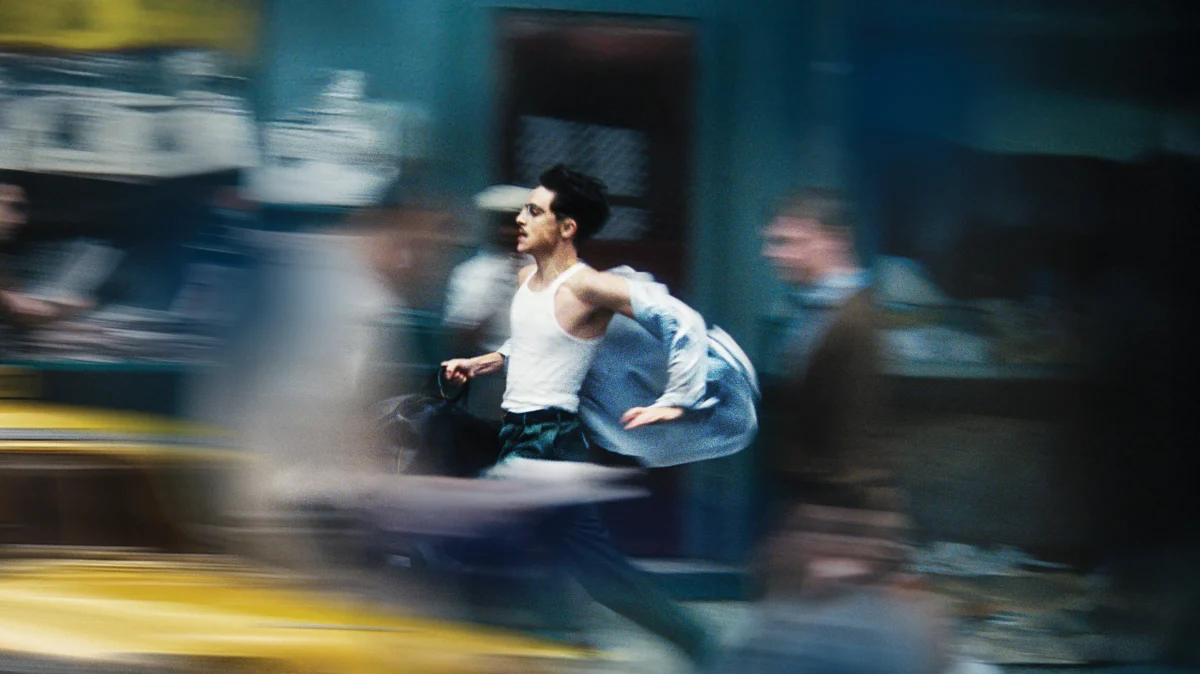
marty mauser me chasing opportunity
What I'm Building Now
I'm running two studios simultaneously, which sounds insane, and some days it is.
climbing cat is building apps that land on their feet. I co-founded it with my friend Martin whom I met at UCI. We're both engineers, but I'll be tackling the deal flow while he's focused on the execution. We're building apps across various markets, starting with AI education. Haku's Playground is our first: a fun, free AI education platform with 20 lessons across four learning trails, from AI fundamentals to building agentic systems. It's a culmination of our learnings for our friends and families to start their AI journey. The mascot is an orange cat named Haku who's climbing his way through the lush trails of New Zealand, learning as he goes. He's very cute.
devil child studio is an independent product studio crafting playful, thoughtful AI tools. I met Renee in SF when I first moved back to the States from Australia (that's a whole other story). She handles the product and growth while I'm focused on building. We met for coffee, she shared her ideas, and I said "let me get working on it." A week or two later, we were building together. We worked on revamping Typeless, a keyboard shortcuts app that's already live on iOS. Now we're building ghostwriter, an AI-powered content platform launching early April.
Here's the thing that makes the two-studio structure work: the learnings from one studio directly feed the other. On one side I'm the business operator and on the other I'm the technical executor; I'm playing both sides of the same game simultaneously. And what I'm seeing is something YC recently put into words in their Spring 2026 Request for Startups: the future belongs to AI-native agencies. Agencies that use AI to deliver the finished product, not just sell software for clients to do the work themselves. That's what we're building toward. The fact that I get to test this idea across two studios at once in different capacities has been nothing short of thrilling.
And that's just the start. I'm fielding other opportunities with other folks while this is happening.
The crazy part is: it's manageable with the right agentic systems in place. More on that another time.
For now, just know I'm one very caffeinated engineer architecting a fleet of agents across multiple agencies and learning distribution from scratch.
me on the right, up late, couldn't sleep thinking about agentic systems
Two Weeks In
Here's what I didn't expect: I didn't expect every single day to be this exciting.
I wake up exhausted from grinding all night the night before. Layer on daily runs, bouldering, and socializing and I'm truly beat. But I'm still eager to get up and do more. That hasn't faded after two weeks. I don't know when it will, but I hope it won't.
The first thing I did was tear everything down and rebuild it. My entire personal and work workflows were rebuilt from the ground up in the first few days. I've been automating everything with Claude and Notion, creating multi-agent systems for my workflows and rethinking how I operate in this new era where AI can handle the stuff that used to eat my whole day. The execution speed has changed dramatically in just the past week.
In two weeks, I've learned more than I have in 6 months. I've pushed major updates to ghostwriter, built out an entire content engine from scratch including this tech blog and redesigned my travel guides, restructured how both studios operate, learned more about AEO and SEO, taught multiple friends how to use AI effectively, launched multiple sites including Haku's Playground where I go over how to build workflows using AI, and started planning what's next: roadmapping product features for existing products, building product requirements for niche markets we want to test in next, and learning distribution.
That last part is the big one. I can build products. I've been building products for years. Getting people to notice they exist is a completely different skill, and I'm starting from zero. A good friend mentioned to "build intentionally". That stuck.
I've also been rearranging my room and setting up a desk at home so it's become quite cozy to vibecode.
What's working:
The speed. When you're not siloed into one thing, when you own every decision, you can push on multiple fronts simultaneously. I'm finding signal faster because I can context-switch between business strategy, engineering, content, and product without waiting for anyone's approval. AI is enabling me to operate like a team of five. I'm learning new things every day and applying the learnings in one area to another. I'm pushing what I know agents are capable of so that I can do more.
What's hard:
It's faster, but it's lonelier. I have a great support system (Martin, Renee, friends who check in) but the day-to-day is just me and a laptop. No standups. No Slack channels buzzing. Just me deciding what matters today. I'm looking into entrepreneurial and creative spaces to work from to surround myself with others. Who knows how it'll go.
And the fear, the feeling of running out of my own time to build something worthwhile to me. The landscape is changing so fast that even if your strategy was right yesterday, it might not be right tomorrow. Not figuring out distribution fast enough while everything shifts around you, that's the real worry.
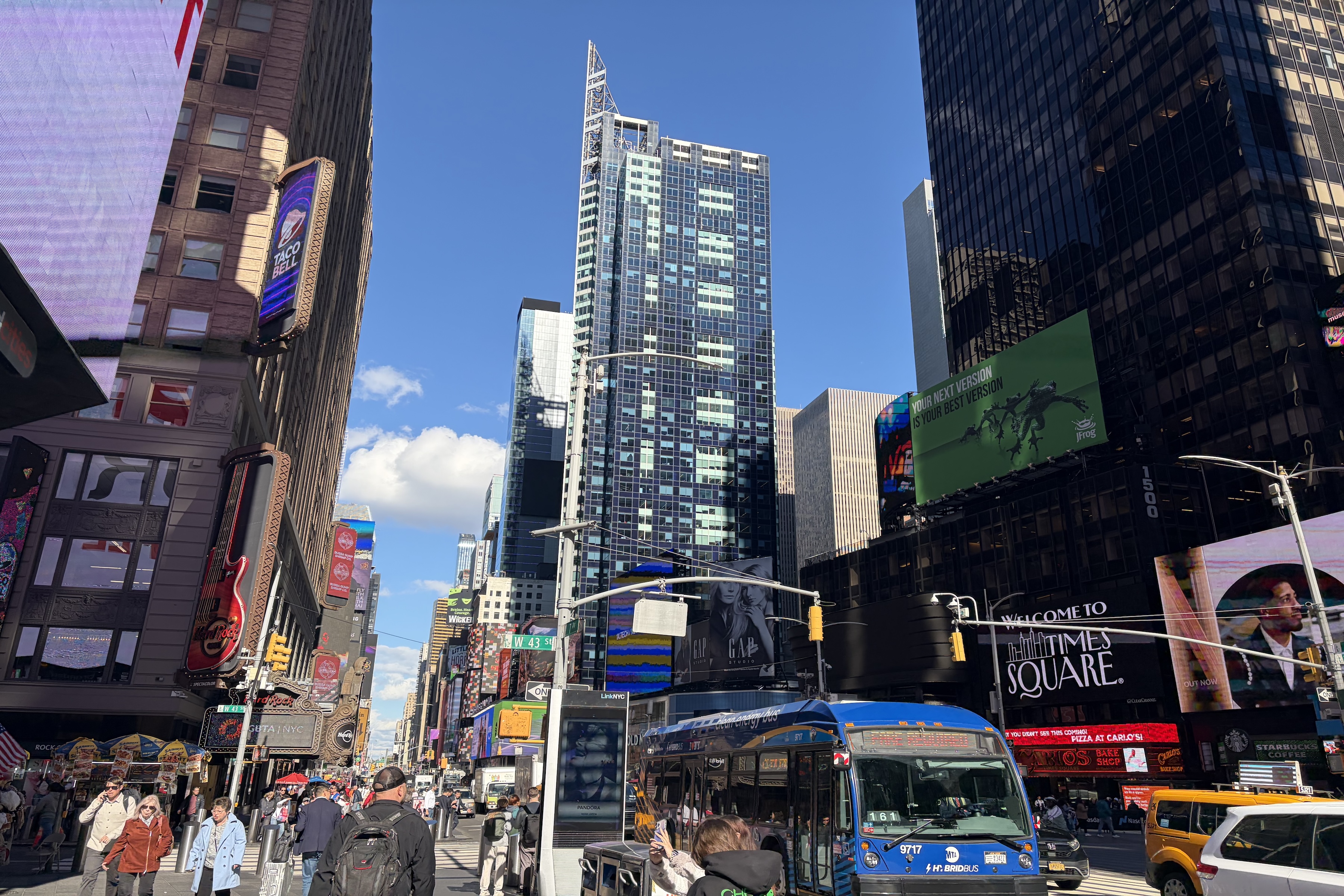
the walk through times square on the way home from wework
Why I'm Writing This
This post is literally part of me learning distribution. I'm an engineer who's never written a blog post, never built a personal brand, never thought about SEO until last week. This is day one of that education.
I'm going to document the whole journey here. Not the polished version where every decision was obvious in hindsight. I'll be journaling what I'm building, what's working, and what's not working. So follow along.
If you're thinking about making a similar move, or if you're in the early days and everything feels simultaneously incredible and terrifying, I'd like to hear from you. What surprised you? What do you wish you'd known?
→ ghostwriter is launching early April. An AI-powered LinkedIn content platform. Follow along or check it out: ghostwriterrr.com